Blog Category
Agriculture
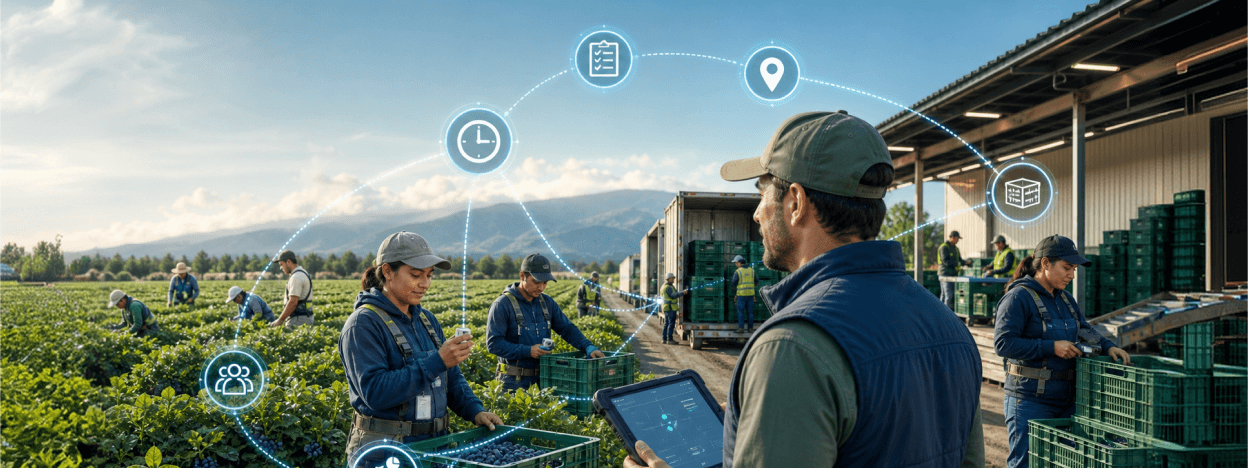
How Mobile Workforce and Task Tracking Connects Labor Time, Crew Activity, and Container Movement
Field labor is dynamic. Employees move between tasks, crews change, containers are assigned, nonproductive time occurs, and supervisors need to understand what happened without relying on end-of-day memory.
Read More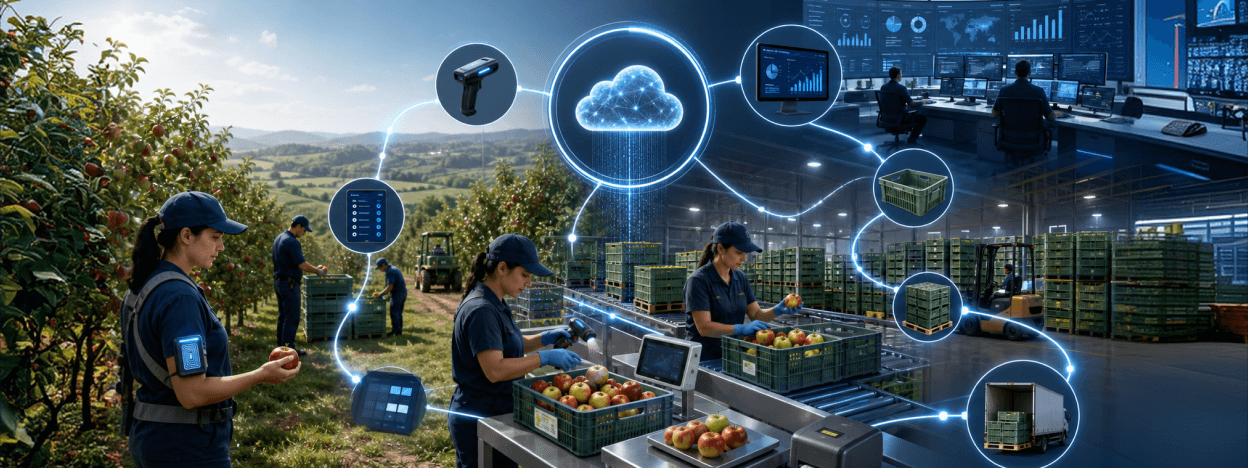
How an Agriculture Solution Operations Ecosystem Turns Physical Work Into Reliable Business Intelligence
Agricultural and industrial operations still depend on physical actions: people clock in, crews select work, products are picked, loads are weighed, containers move, quality is inspected, and inventory changes hands. The challenge is not performing these actions. It is capturing each one accurately, in context, at the moment it happens.
Read More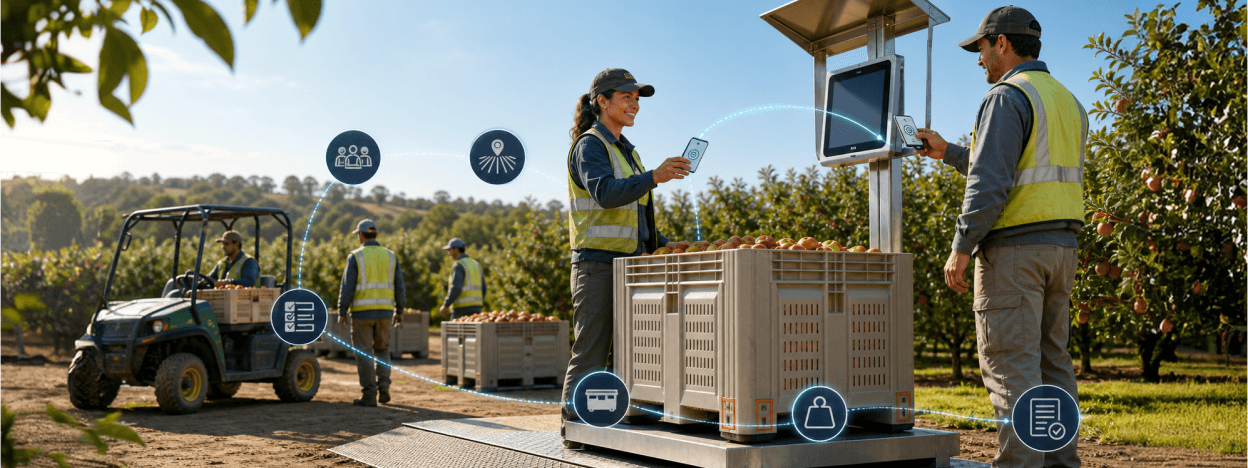
How Digital Harvest Weighing Connects Workers, Containers, Tasks, and Production Records
Harvest weighing is more than measuring product. Each reading must be associated with the correct worker or crew, task, field context, and container before it can support payroll, yield, and traceability.
Read More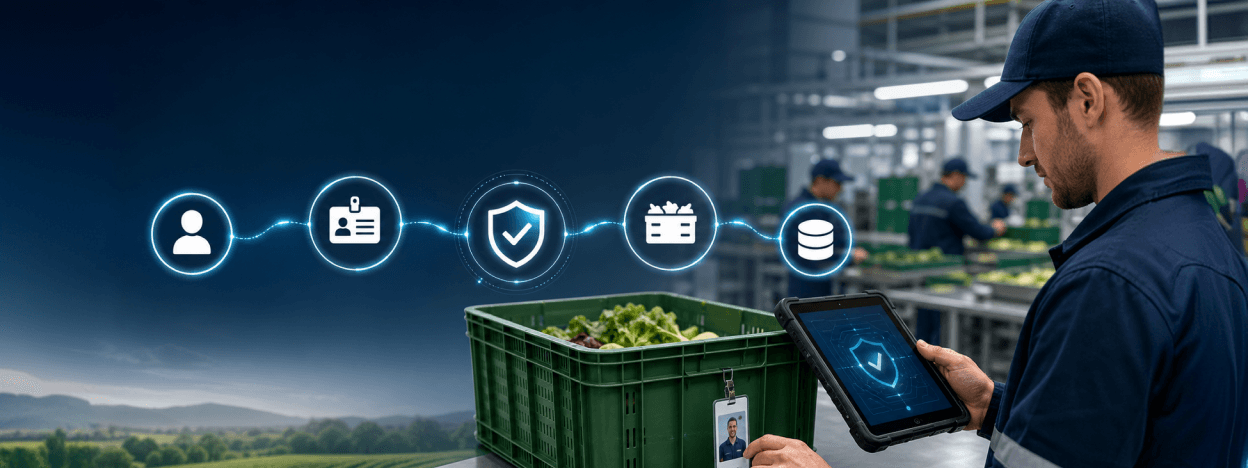
How RFID Identity and Container Registration Creates a Trusted Foundation for Traceable Operations
Traceability begins before the first operational scan. Employee badges, reusable containers, and security tags must be created, encoded, verified, and connected to the correct business records.
Read More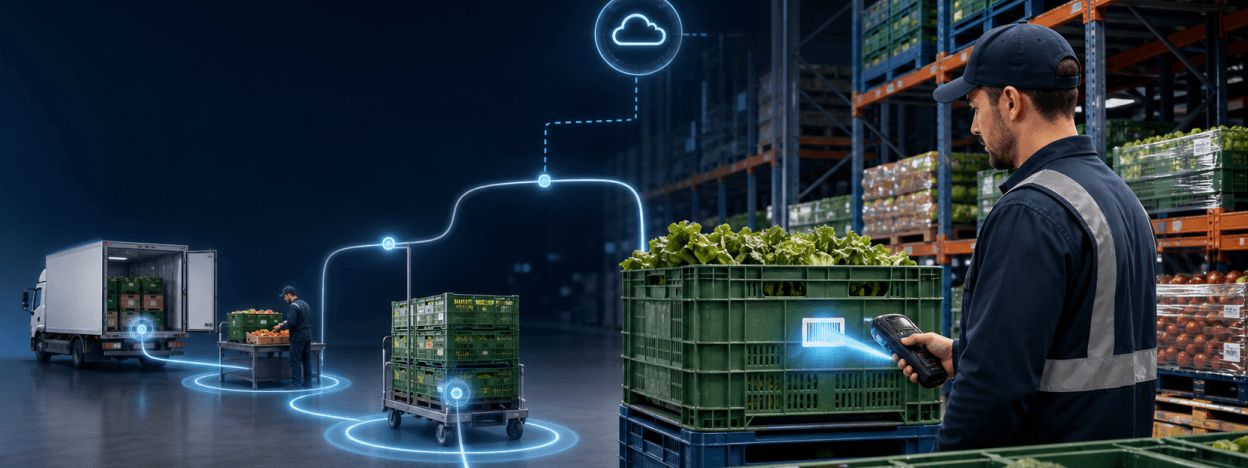
How Barcode Inventory Traceability Connects Locations, Orders, Transfers, and Fulfillment
Inventory accuracy depends on knowing what an item is, where it is, why it moved, and which order or contact is involved. Paper logs and disconnected barcode scans make that history difficult to reconstruct.
Read More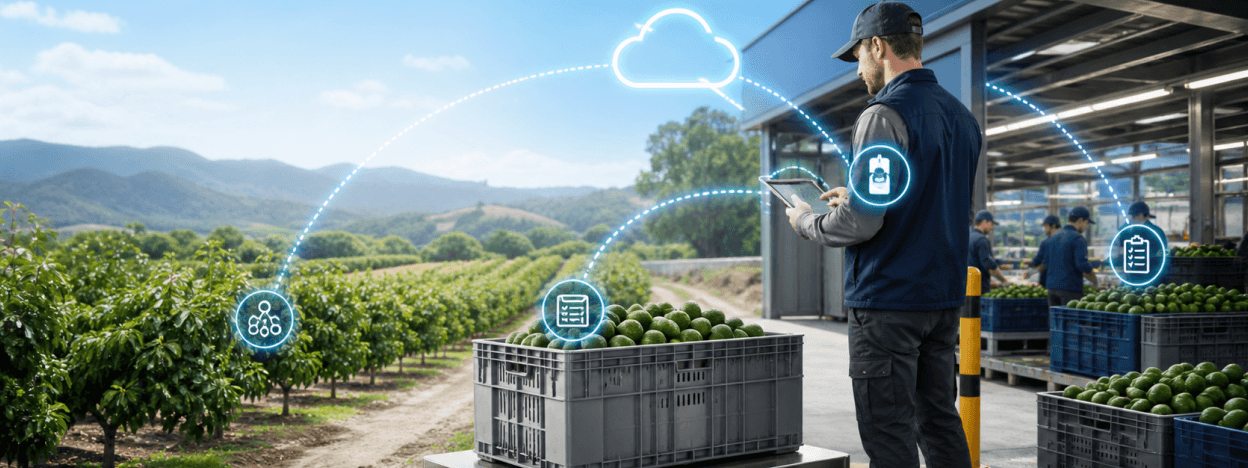
How Connected Bluetooth Weighing Replaces Manual Entry With Accurate, Context-Rich Field Records
A scale reading becomes operationally valuable only when it is connected to the correct worker, task, container, and timestamp. Manual transcription slows the process and creates avoidable mistakes.
Read More
How Real-Time Fruit Quality Inspection Standardizes Defect Capture and Speeds Corrective Action
Quality decisions are strongest when observations are captured consistently and shared immediately. Paper inspection sheets and delayed entry make it harder to compare lots, identify defect patterns, and react while product is still moving through the operation.
Read More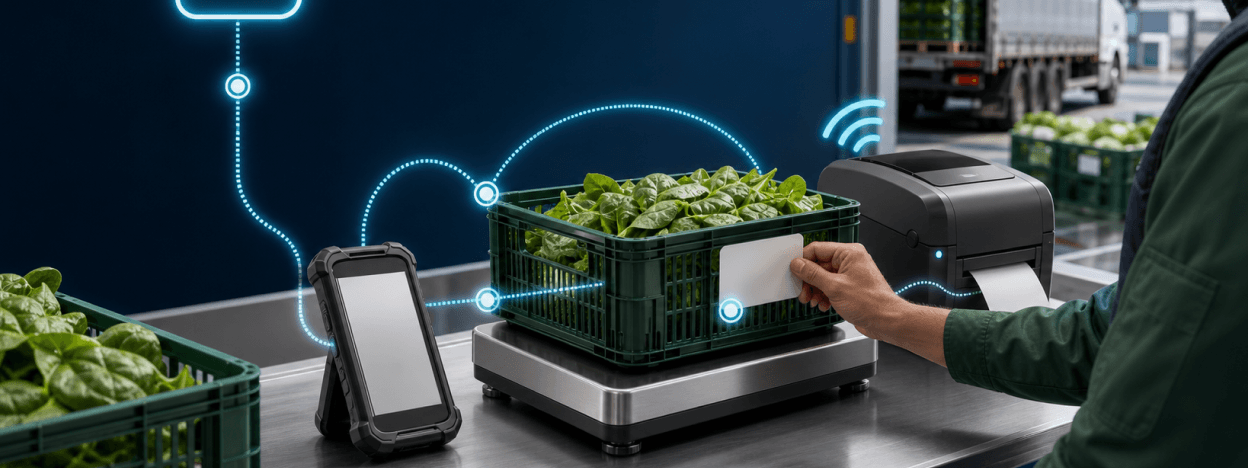
How Mobile Weighing and Wireless Label Printing Creates a Faster Point-of-Activity Workflow
Operations lose time when weighing and labeling are separate steps. An operator captures a measurement, re-enters information into another device, selects a printer, and then tries to match the label back to the correct container or product.
Read More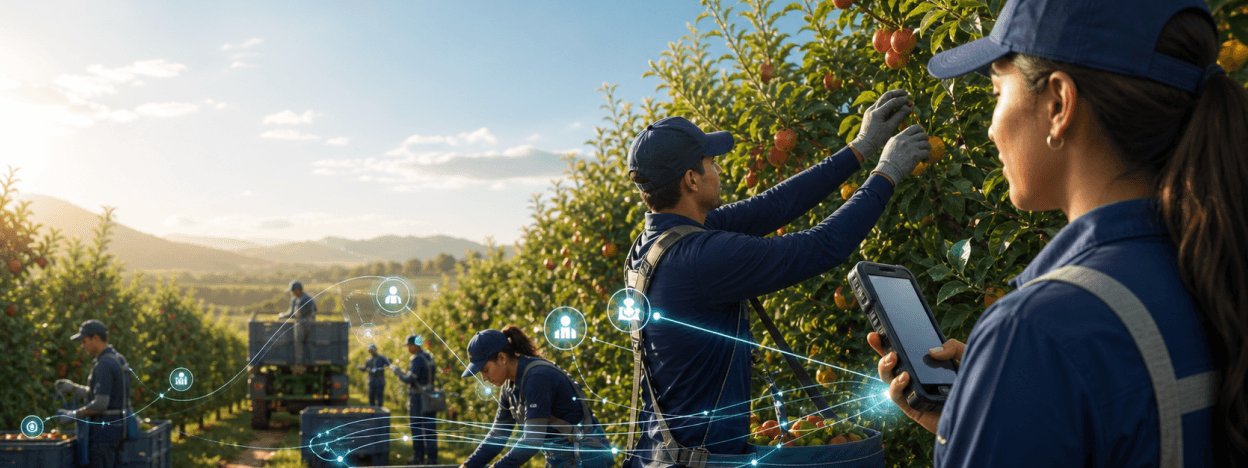
How Rapid Field Production Capture Improves Picking Speed, Labor Accuracy, and Crew Visibility
High-volume field work depends on speed, but speed without reliable records creates payroll disputes, weak productivity data, and limited traceability. Supervisors need a simple way to connect each completed unit of work to the right person, task, and operational context.
Read More
 Facebook
 Linkedin
 Instagram
 Youtube
 X
X